Hivos is a human rights and social justice organization driven by humanist values. We were founded in 1968, at the height of the global wave of social and political mobilizations in the 1960s that laid the foundation for new progressive civil society movements worldwide.
Hivos strengthens and resources organizations and movements with the potential to improve a broad range of human, civil, and political rights. In particular, if they are directly at risk of being targeted or if they have the potential to spark popular mobilization for a transformative progressive agenda. We work in partnerships with others in the Americas, Africa, Europe, and Southwest Asia and North Africa (SWANA).
Despite many obstacles, people and their organizations continue to show remarkable resilience and creativity, combining advocacy, sustained protests, online campaigns, strategic litigation, and artivism.
Vision
We envision a just world in which everyone, regardless of their identity, background or circumstances, lives in dignity and freedom and can build a fair and sustainable future for themselves, their communities, and the wider society.
Mission
Our mission is to defend and expand the civil and political rights that enable individuals, marginalized communities, their movements, and their organizations to claim and realize equality and justice.
Our DNA
Hivos has guts and dares to tackle sensitive issues. The way we question existing power structures and their effects on society is different and innovative. We are not afraid to confront the powers that be in the quest for new solutions. And we critically review how we achieve the mission and goals we have set.
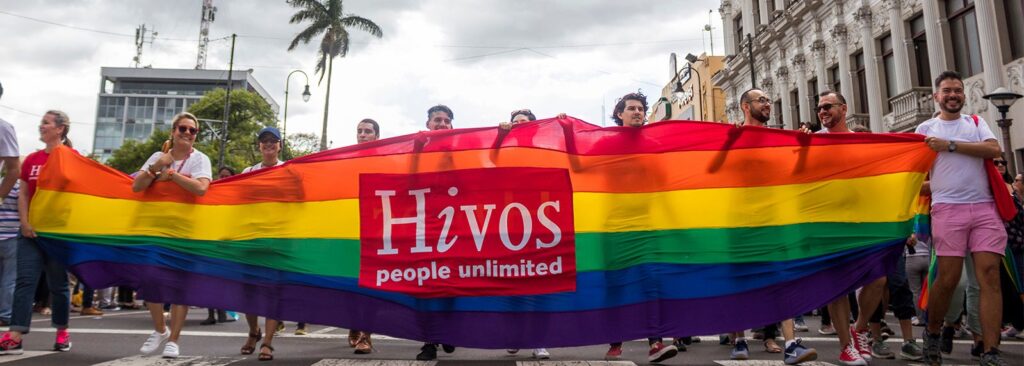
Core values
Our values are people centered. We believe everyone has the right to live in freedom and dignity, to enjoy equal opportunities, and to influence decisions that affect their lives, communities, and country.
Humanism
We believe that everyone has the right to be recognized and respected for their self-worth, agency and potential, no matter who they are, where they were born or how they live. We commit to recognize, respect, and engage with people in all their diversity and ensure their perspectives and experiences as responsible persons are reflected in our organization and work.
Equity and Inclusiveness
We believe that people are not the same, but equal, and that they should be treated and treat each other fairly in their access to influence, resources and opportunities. We commit to ensuring all individuals and groups, regardless of background, can exercise their rights and participate in movements, including by taking their responsibility as citizens or residents seriously.
Solidarity and Collective Care
We stand and act collaboratively together with people, communities, activists and movements, respecting their autonomy and building genuine partnerships based on mutual trust in claiming and realizing rights and justice. This also includes solidarity with future generations, by taking care of the planet that makes human life sustainable.
Courage
We recognize the risks involved in defending civil and political rights and take sides with and support those who demonstrate courage and resilience in the face of threats and repression. We will also courageously take risks in pursuing our mission.
Where we aim for impact
Our focus is on supporting civil society organizations and networks; informal groups; independent media and cultural actors; human rights defenders; community organizations, and other organized civil society actors that form vital networks to improve their societies. We plan to sustain and strengthen these target populations by providing funding, knowledge, and skills, as well as access to institutions, platforms, and donors. But also, by publicly taking sides with activists and human rights defenders to amplify their voices. At the same time, we are constantly developing our organization’s technical and political skills to support civil society effectively and share these skills with others.
More and more, cities are the places where people organize and negotiate power. So we see the greatest potential for supporting and organizing civic and political activism in urban areas across Africa, the Americas, and West Asia. And we will continue our close collaboration with the Humanis Foundation in Indonesia. But we will also seek to work in Europe, engaging with like-minded networks and coalitions to help turn the tide of shrinking civic space that threatens this continent as well.
Our priority is the civil and political rights of movements and civil society actors targeted by the powerful because of their transformational social or political agenda. However, we believe that these rights can also be promoted and protected by addressing underlying economic, social, and/or human rights as an entry point.
For example, through our past and present initiatives that use economic empowerment to increase the resilience of LGBTIQ+ people facing societal exclusion, or the Urban Futures program, which facilitates youth participation in city level governance by involving them in promoting healthy food systems, or Voice, an inclusive grant-making program that supported around 750 projects led by groups and individuals from the margins of (civil) society.
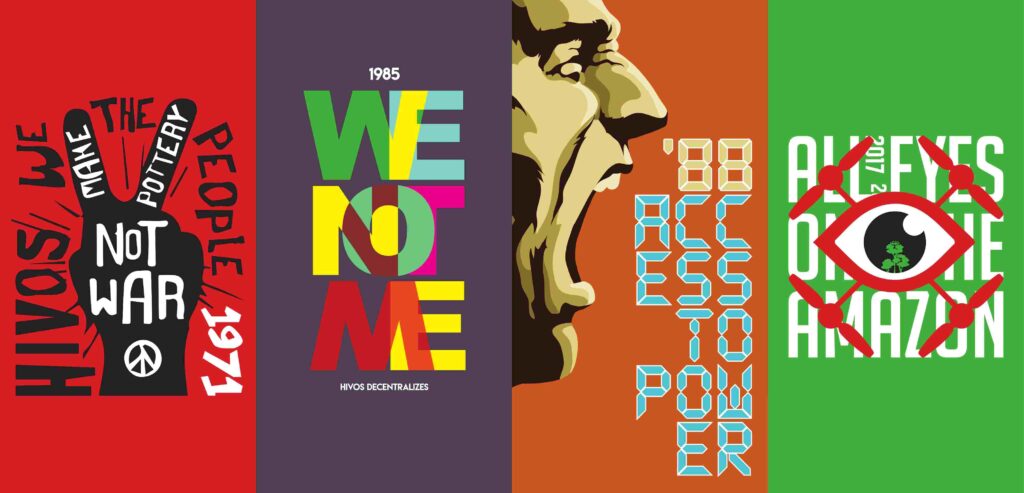
Our first 50 years
When we celebrated Hivos’ first 50 years, we looked back at our past. The milestones in our history help us understand where we are today. We are proud to present this journey through time.